

Table of contents [Show]
- introduction
- Market Share and Popularity
- User Experience and Interface
- Customization and Freedom
- Software Updates and Long-Term Support
- Security and Privacy
- Apps and App Stores
- Hardware and Device Variety
- Ecosystem and Device Integration
- Artificial Intelligence Features in 2026
- Price and Value
- Final Verdict: Which One Is Better in 2026?
introduction
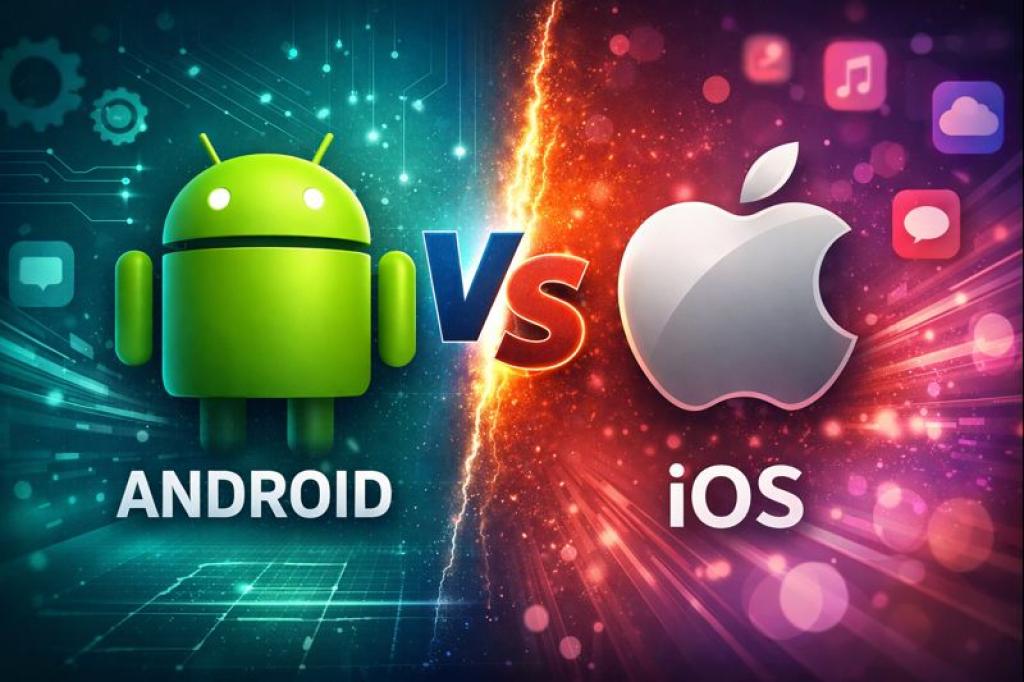
Choosing between Android and iOS has always been one of the biggest decisions for smartphone users. In 2026, both operating systems are more powerful, smarter, and more secure than ever before. With rapid advances in artificial intelligence, privacy features, and hardware integration, the gap between Android and iOS continues to evolve.
But the real question remains: Which one is better in 2026?
The answer depends on what you value most—customization, security, performance, price, or ecosystem.
In this article, we provide a detailed and unbiased comparison of Android and iOS in 2026 to help you make the right choice.
As of 2026, Android remains the most widely used mobile operating system in the world, powering more than 70% of smartphones globally. This dominance is mainly due to the wide range of devices available at different price points.
iOS, on the other hand, continues to dominate premium markets such as the United States, Canada, and parts of Europe. Apple’s strong brand loyalty and long-term software support keep iOS users deeply invested in the ecosystem.
Summary:
- Android: Global dominance and affordability
- iOS: Strong presence in premium markets
User Experience and Interface
iOS Experience
Apple focuses on simplicity and consistency. iOS offers a smooth and polished interface that works the same way across all supported devices. Animations are fluid, apps are highly optimized, and the system feels reliable even after years of use.
iOS updates are released simultaneously for all supported iPhones, ensuring a uniform experience.
Android Experience
Android provides greater flexibility and customization. Users can modify home screens, install custom launchers, change default apps, and personalize almost every aspect of the system.
However, the experience can vary depending on the manufacturer. Samsung, Google, Xiaomi, and others each add their own interface on top of Android.
Winner:
- Simplicity & stability → iOS
- Customization & control → Android
Customization and Freedom
One of Android’s strongest advantages is freedom.
Android Advantages
- Full home screen customization
- Custom launchers and icon packs
- Ability to install apps outside Google Play
- Greater control over system behavior
iOS Limitations
Apple allows limited customization, such as widgets and lock screen changes, but the system remains tightly controlled. Apps must come from the App Store, and system-level modifications are restricted.
Winner: Android clearly leads in customization.
Software Updates and Long-Term Support
iOS
Apple is the undisputed leader in long-term updates. In 2026:
- iPhones receive 5–7 years of updates
- Updates are released instantly worldwide
- Older devices remain usable for years
Android
Android updates depend on manufacturers:
- Google Pixel and Samsung flagship devices now offer up to 7 years of updates
- Mid-range and budget phones often receive fewer updates
- Update rollout can be slow and inconsistent
Winner: iOS for reliability, Android for improvement in premium devices.
Security and Privacy
iOS Security
Apple prioritizes privacy:
- Strong app review process
- On-device data processing
- App Tracking Transparency
- Encrypted messaging and backups
iOS devices are statistically less targeted by malware.
Android Security
Android has improved significantly:
- Google Play Protect
- AI-based threat detection
- Advanced permission controls
However, the open nature of Android increases risk if users install apps from untrusted sources.
Winner: iOS for default security, Android for flexibility with responsibility.
Apps and App Stores
Apple App Store
- Higher app quality standards
- Apps often launch first on iOS
- Better optimization for performance
Google Play Store
- Wider variety of apps
- More experimental and open platforms
- Easier for developers to publish apps
Winner:
- Quality & optimization → iOS
- Variety & openness → Android
Hardware and Device Variety
Android
Android offers unmatched diversity:
- Budget phones
- Mid-range devices
- Flagship models
- Foldable and experimental designs
Users can choose based on budget and features.
iOS
Apple offers a limited number of models:
- Premium build quality
- Strong performance consistency
- Seamless hardware-software integration
Winner: Android for variety, iOS for refinement.
Ecosystem and Device Integration
Apple Ecosystem
If you use a Mac, iPad, Apple Watch, or AirPods, iOS provides seamless integration:
- AirDrop
- iMessage
- Handoff
- iCloud sync
Android Ecosystem
Android integrates well with:
- Google services
- Windows PCs
- Smart home devices
- Multiple brands
Winner:
- Apple devices → iOS
- Mixed devices → Android
Artificial Intelligence Features in 2026
Both platforms heavily rely on AI:
Android AI
- Smarter notifications
- Live call screening
- Advanced voice assistants
- Real-time language translation
iOS AI
- On-device intelligence
- Privacy-focused AI processing
- Smarter photo and system automation
Result: Android leads in experimental AI features, iOS focuses on privacy-first AI.
Price and Value
- Android phones range from very affordable to premium
- iPhones are expensive but retain resale value
- Android offers better value for budget users
- iOS offers long-term value through updates and durability
Final Verdict: Which One Is Better in 2026?
There is no universal winner—only the best choice for you.
Choose iOS if you want:
- Long-term updates
- Strong privacy and security
- Smooth and consistent experience
- Apple ecosystem integration
Choose Android if you want:
- Customization and freedom
- More device options
- Better budget choices
- Advanced AI features
Conclusion
In 2026, both Android and iOS are excellent platforms. Your decision should be based on your priorities, not trends. Either choice will deliver a powerful and modern smartphone experience.